
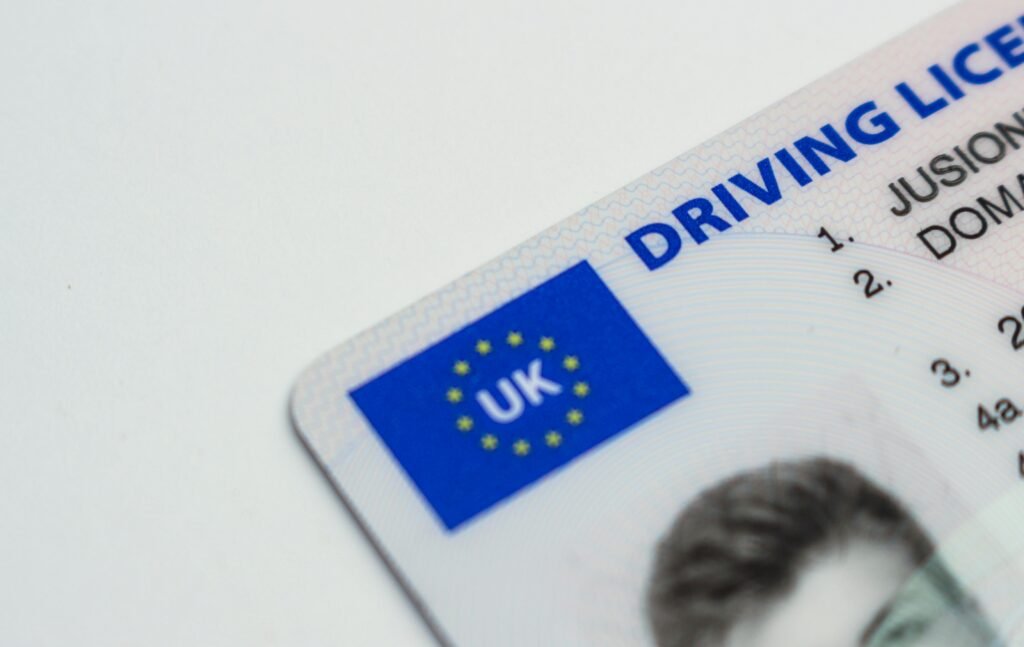
If you run a small UK company, you need to be aware of a major change coming to Companies House filings. Starting 18 November 2025, identity verification becomes a mandatory legal requirement for most company officers.
This change is driven by the Economic Crime and Corporate Transparency Act 2023 (ECCTA), aiming to improve transparency, prevent fraud, and ensure better accountability across UK business operations.
Here is what you need to know to comply smoothly and avoid severe penalties.
1. Who Must Verify Their Identity?
This new legal requirement applies to a broad range of individuals linked to your company:
- All Company Directors (whether executive, non-executive, or nominee).
- Persons with Significant Control (PSCs) (individuals who generally own more than 25% of the company’s shares or voting rights, or have significant influence).
Good News for Multi-Company Directors: If you are a director of several companies, you only need to verify your identity once. Your unique verification code will apply to all your director appointments.
Note: This applies regardless of whether your company is actively trading, dormant, or in the process of being dissolved.
2. When Do I Need to Verify? (Key Deadlines)
The rollout is phased, but the key date for mandatory verification is 18 November 2025.
| Your Current Status | When You Must Verify and Provide the Code |
| Existing Directors | You must verify and provide your personal code as part of your company’s next annual confirmation statement filing that is due on or after 18 November 2025. |
| New Directors | If you are incorporated a new company or appointed as a director after 18 November 2025, you must verify your identity before your appointment or incorporation filing is submitted. |
| Existing PSCs (Who are NOT directors) | You must verify within a 14-day period that starts on the first day of your birth month, in the year following 18 November 2025 (e.g., if your birthday is in March, your period starts 1 March 2026). |
Companies House will be contacting all companies with advice and guidance to help them comply.
3. How to Verify Your Identity
You have two main routes for verification:
Route A: Direct Verification (The Free, Digital Way)
This method is free of charge and uses the GOV.UK One Login service. The entire process typically takes about 20 to 30 minutes.
- Set up GOV.UK One Login: You must use a personal email address—not a shared company email (like info@yourcompany.com)—as this is your personal verification.
- Choose a Method: Once logged in, the service will guide you to the best option based on your documents:
- Option 1: GOV.UK ID Check App (Fastest)
- Requires a smartphone (iPhone iOS 15+ or Android 10+).
- You scan your document and take a selfie, and the technology reads the chip.
- This is the fastest method, with the average check time being less than 2 minutes 30 seconds.
- Accepted documents: A biometric passport from any country is the most widely accepted, or a UK photo driving licence.
- Option 2: Online Security Questions (Web Service)
- If you don’t have a compatible smartphone, you can answer five security questions about your UK credit history.
- This may not work if you have limited UK credit history.
- Option 3: Post Office Verification (In-Person Support)
- This is useful if you have technical difficulties or need assistance.
- You start the process online with GOV.UK One Login and then attend a participating Post Office branch in person.
- Option 1: GOV.UK ID Check App (Fastest)
Route B: Verification via an Authorised Corporate Service Provider (ACSP)
You can ask an ACSP (such as your accountant or solicitor) to verify your identity on your behalf. ACSPs must be registered with a UK Anti-Money Laundering (AML) supervisory body. They may charge a fee for this service.
This route may be necessary for some overseas individuals, particularly if they hold a non-biometric (machine-readable) passport from countries like India or South Africa.
4. Documents You Will Need
Whichever method you choose, gather your documents early:
- Primary ID: The most accepted document is a biometric passport from any country. Other accepted forms of ID include a UK photo driving licence, an EU photocard driving licence, a UK biometric residence permit (BRP), a UK biometric residence card (BRC), or a UK Frontier Worker permit.
- Validity: All documents must be current and valid (expired documents are generally not accepted, though some technology-based checks may accept documents up to 6 months or 18 months expired, depending on the document type).
Requirements for Overseas Directors
If you live overseas, you will typically need to provide proof of address as well, because international address data is not always available through UK databases. Accepted address proofs include:
- A recent utility bill.
- A bank statement.
- An official government-issued letter.
These documents can be PDFs (not originals) and do not need to be fully in English, provided key details (like your name and address) are clear and legible.
5. What Happens After Verification?
Once you are successfully verified, Companies House will issue you a unique, permanent, 11-digit Companies House personal code (Format: XXX-XXXX-XXXX).
This code is personal to you, and it does not expire. You must keep it secure.
You need to link this code to your director and PSC records. If your company uses an accountant or formation agent for filings, you must provide them with this personal code, as they cannot complete future filings for your company without it.
6. The Dangers of Non-Compliance
This verification is not voluntary; it is a legal requirement. Failing to comply carries serious risks:
- You will be unable to file documents: If you have not verified your identity, your company will not be able to submit its confirmation statement.
- Criminal Offence and Penalties: Failure to submit mandatory information is a criminal offence. Continued non-compliance can lead to directors being fined up to £5,000, potential director disqualification, and Companies House striking the company off the register.
- Offence to Act: It will be an offence to act as a director without being verified once the duties commence.
Don’t wait until the last minute! While 18 November 2025 may seem distant, companies are encouraged to verify early to resolve any issues with documents or technical difficulties before the deadline pressure builds.
Disclaimer: This information is based on guidance related to the Companies House identity verification requirements effective from November 2025, arising from the Economic Crime and Corporate Transparency Act 2023.